
Storm & Snow Squall Cleanup Dumpster Rental in Erie, PA
Erie's lake-effect snow squalls can bury a driveway in hours. Here's how storm and snow-squall cleanup debris removal actually works, and how we schedule around it.
Erie dumpster guide
Shingles are heavier than most homeowners expect, and Erie's lake-effect snow load and ice dams keep roofers busy all winter. Here's how to pick the right dumpster size for a tear-off, from a small ranch roof to a multi-layer job.
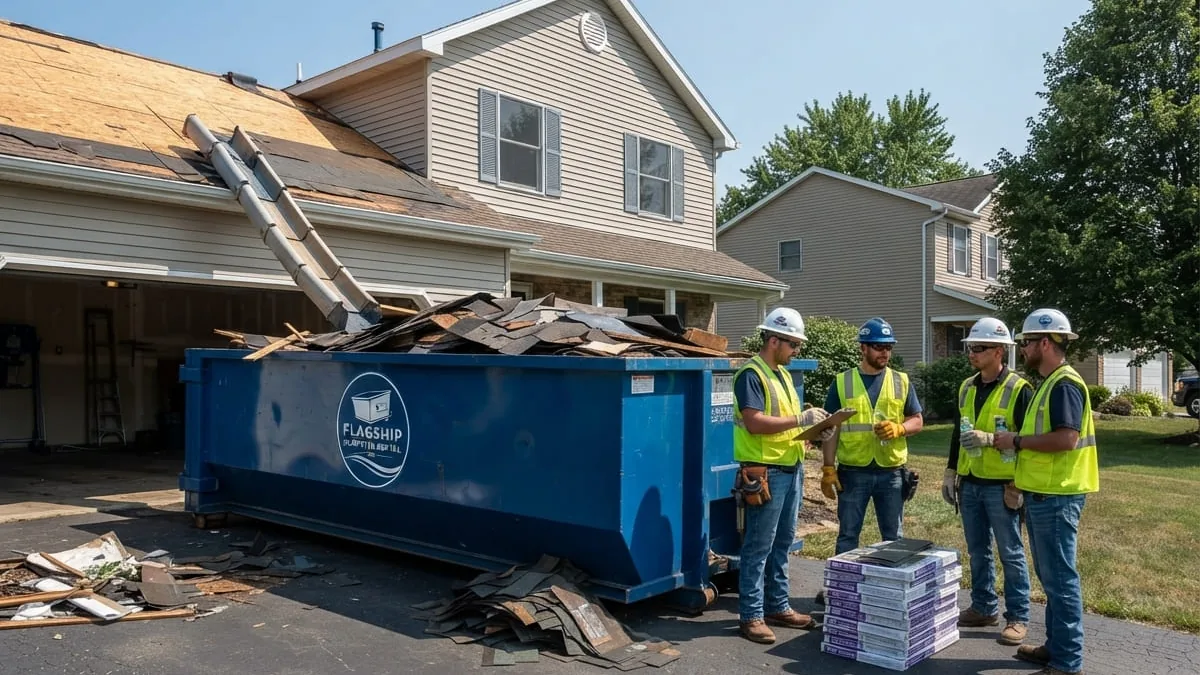
If you have ever stood next to a dumpster full of old shingles, you already know the surprise that catches a lot of homeowners off guard: roofing debris is heavy. Not bulky-heavy like a couch or a pile of drywall — dense heavy, the kind that fills a container's weight allowance long before it looks full. Picking the right dumpster for a roof tear-off in Erie comes down to two things: how much roof you are removing, and how many layers of shingles are already up there. Get those two numbers right and the rest of the job goes smoothly.
Roofers measure roofs in “squares” — one square equals 100 square feet of roof surface. A single layer of standard asphalt shingles typically runs somewhere in the neighborhood of 200 to 400 pounds per square, depending on whether they are 3-tab or heavier architectural shingles. That means a modest 20-square roof with one layer of shingles can easily push 2 to 4 tons of debris before you factor in old felt paper, flashing, and any rotten decking that comes up with it.
Now double that if your roof has two layers of shingles stacked on top of each other, which is common on older Erie homes where a previous owner roofed over the existing layer instead of tearing it off. A two-layer tear-off on the same 20-square roof can approach the weight limit of a much bigger container than you would guess just by eyeballing the pile in the driveway. This is the single biggest reason roofing jobs get mis-sized — people size the dumpster for the volume of debris, not the weight of it.
As a general rule of thumb, here is how we size roofing tear-off jobs around Erie:
| Roof Size / Job Type | Recommended Dumpster | Notes |
|---|---|---|
| Small roof, single layer (garage, small ranch, up to roughly 15–20 squares) | 15-yard dumpster | Handles a typical single-layer tear-off with room for felt paper and flashing |
| Mid-size roof, single layer (roughly 20–30 squares) | 20-yard dumpster | Our most common roofing rental — fits most single-family homes |
| Large roof or multi-layer tear-off (30+ squares, or two or more layers of shingles) | 30-yard dumpster | Extra capacity for the added weight and volume of layered shingles |
Very large or commercial roofing jobs — a big multi-building complex, a steep multi-layer roof on an older downtown property, or a roofer stripping several homes on the same street — sometimes call for a 40-yard container instead. If you are not sure which category your job falls into, call us at (814) 240-4177 and describe the roof. We size these every week and can usually tell you the right container over the phone in a couple of minutes.
You can also see how roofing debris compares to other project types on our roofing dumpster rental page or start from scratch with our general dumpster sizing guide.
Erie sits right on Lake Erie, and that means lake-effect snow — sudden, hyper-localized squalls that can drop a foot or more of snow in a matter of hours. That snow does not just make driving miserable, it sits on roofs. A few feet of wet, heavy lake-effect snow adds real load to a roof structure, and older roofs or ones that were already marginal can start showing stress: sagging decking, cracked rafters, or shingles that finally give out under the weight.
The other half of the problem is ice dams. When heat escapes from the attic and melts the bottom layer of snow on the roof, that meltwater runs down until it hits the cold overhang and refreezes, building a ridge of ice at the eaves. Water backs up behind that dam and works its way under the shingles, soaking the decking and sometimes the ceiling below. This freeze-thaw cycle repeats all winter and often keeps causing damage into the spring thaw, which is why we see roofing tear-off calls pick up steadily from January through April — not just after one big storm, but as a slow accumulation of ice-dam damage that finally forces a repair or full tear-off.
If you are dealing with active roof damage rather than a planned re-roof, our roofing dumpster rental service is built around getting a container to you quickly so a roofer can get the old material off and a tarp or new roof on before the next system rolls through.
A lot of the housing stock near downtown Erie and out toward the Bayfront was built well before modern roofing codes, and it is common to find two or even three layers of old shingles on these roofs from decades of roofing-over instead of tearing off. If your home falls into that category, plan for the heavier 30-yard option rather than guessing based on square footage alone. On pre-1978 homes, if a renovation is also disturbing old paint, plaster, or flooring elsewhere in the house, that is a separate consideration for a licensed abatement contractor — not something a roofing dumpster rental addresses, but worth mentioning to your contractor if your project extends beyond the roof itself.
Erie's terrain is flat lake-plain, so we are not dealing with steep driveways the way some other regions do — but winter still changes how a roofing dumpster gets placed and used. A few things we handle as standard:
For more on tight spots and placement questions specific to winter, take a look at our driveway placement guide. We deliver roofing dumpsters all over the county, from Millcreek to Harborcreek and everywhere in between, and driveway conditions vary block to block, so a quick phone conversation before delivery day saves everyone a headache.
Roof damage does not wait for a convenient week. If water is actively getting into your attic or ceiling, you need the old material off and a temporary cover or new roof on as fast as possible. We offer same-day delivery when you call before noon, and because we own our own trucks and containers rather than brokering out the job, we are not waiting on someone else's schedule to get a dumpster to your driveway.
We have been doing this in Erie since 2016, and roofing season — whether that is a planned summer re-roof or an emergency tear-off after an ice dam finally wins — is one of the steadiest parts of our business. Flat-rate pricing means the price we quote on the phone covers delivery, the rental period, a tonnage allowance sized to your job, and pickup, so a heavier-than-expected load of double-layer shingles will not turn into a surprise bill as long as it fits the container we sized for you.
Ready to get a roofing dumpster on the calendar, or just want to talk through which size fits your roof? Call (814) 240-4177 or see our full list of services and container sizes for more detail.
FAQs
It depends on roof size and how many layers of shingles are coming off. A small single-layer roof, up to roughly 15–20 squares, usually fits a 15-yard dumpster. A typical single-family home in the 20–30 square range usually needs a 20-yard dumpster. Larger roofs or any tear-off with two or more layers of old shingles should plan on a 30-yard dumpster because of the added weight. Call us at (814) 240-4177 and we can size it over the phone.
It is possible if the container is undersized for the job. Asphalt shingles typically weigh around 200 to 400 pounds per square, and that weight doubles or more on a roof with multiple layers stacked from prior re-roofs. This is why we size roofing jobs by square footage and layer count rather than just by how full the container looks — a dumpster can look half empty and still be near its tonnage allowance if it is packed with shingles.
Yes. We offer same-day delivery when you call before noon, which matters most during winter and early spring when ice-dam damage can suddenly turn into an active leak. We own our own trucks and containers, so we are not waiting on a broker to line up equipment — call (814) 240-4177 and we will work to get a container to you the same day.
Placing a container on your own driveway or property generally does not require a permit. If the dumpster has to sit in the street or public right-of-way instead, contact the City of Erie Bureau of Streets ahead of time and allow some lead time, particularly in winter months when street crews are also handling plowing.
Lake-effect snow off Lake Erie can pile heavy, wet snow load onto roofs quickly, and the repeated freeze-thaw cycle through winter builds ice dams at the eaves that force meltwater back up under the shingles. That combination causes a steady stream of roof damage and tear-off calls from January through the spring thaw, rather than damage from one single storm event.
Ready when you are
Call and you will speak to someone local who knows the streets, the permit rules and which box actually fits your driveway. Flat rate quoted up front.
Keep reading
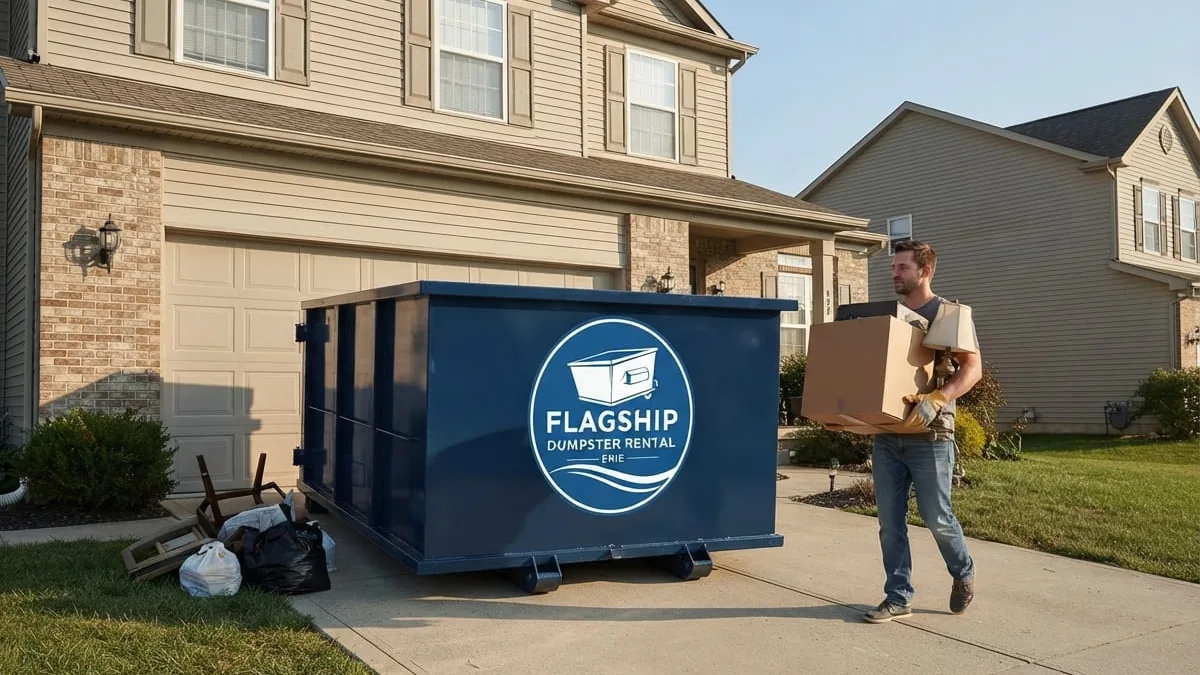
Erie's lake-effect snow squalls can bury a driveway in hours. Here's how storm and snow-squall cleanup debris removal actually works, and how we schedule around it.
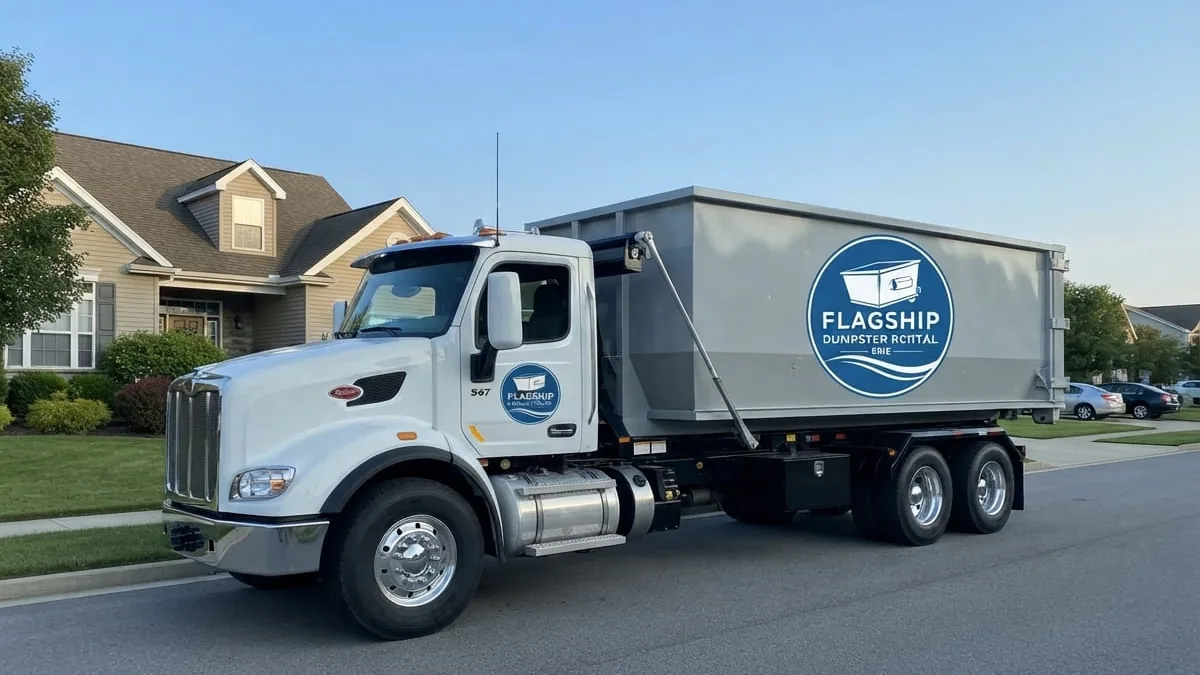
A lot of Erie's older neighborhoods were built long before anyone worried about parking a construction dumpster — here's how to figure out what will actually fit, and what to do if nothing does.
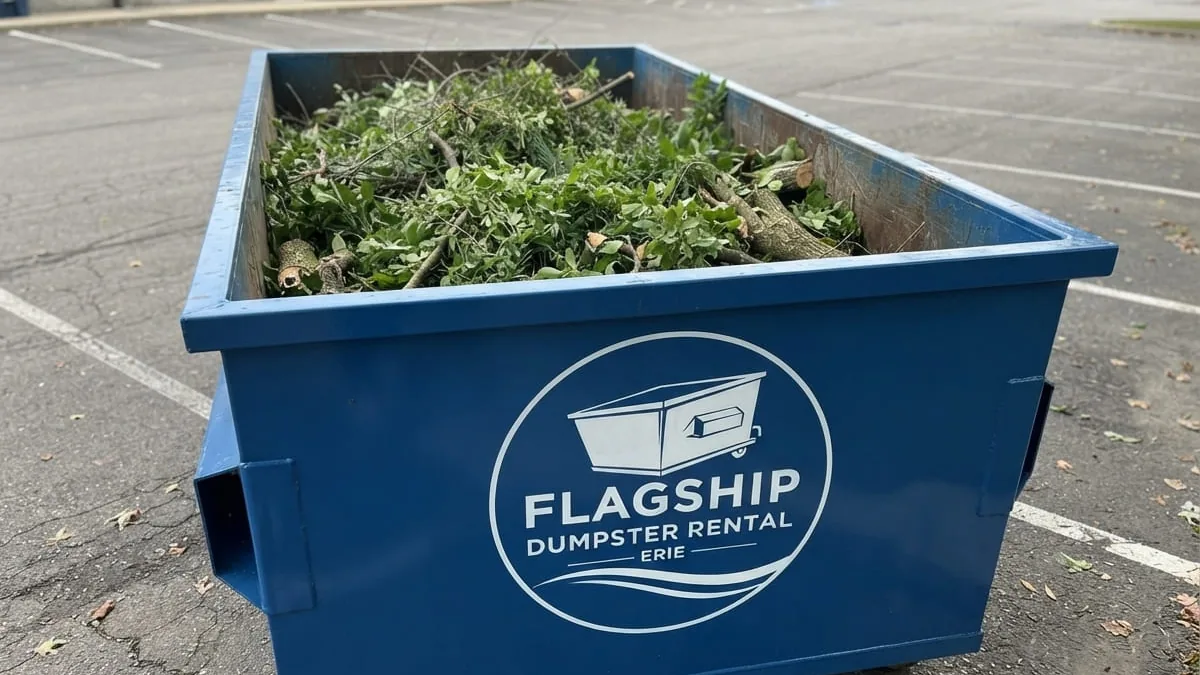
Curbside bins, e-waste bans, yard waste, and household hazardous stuff — here's how recycling and disposal really work in Erie County, and where a dumpster fits in.